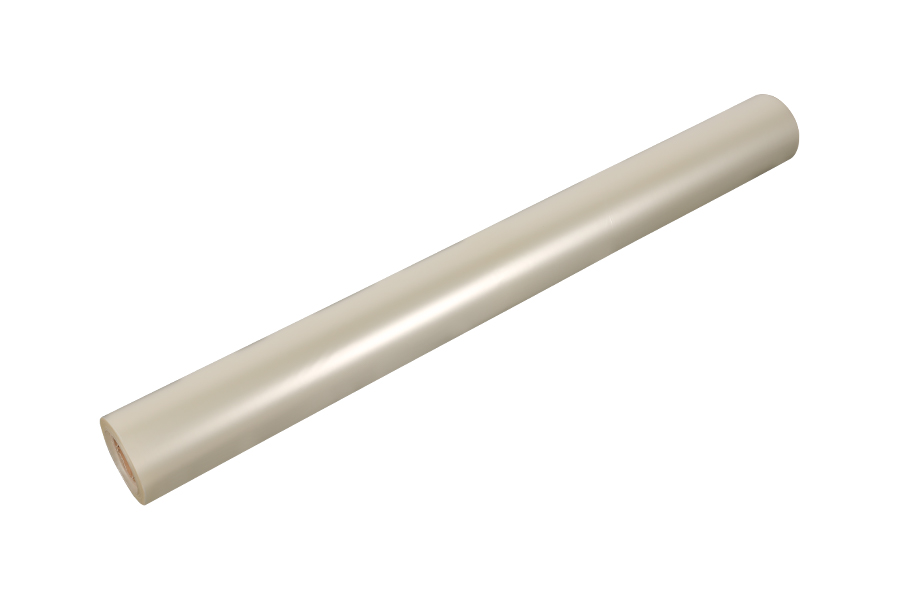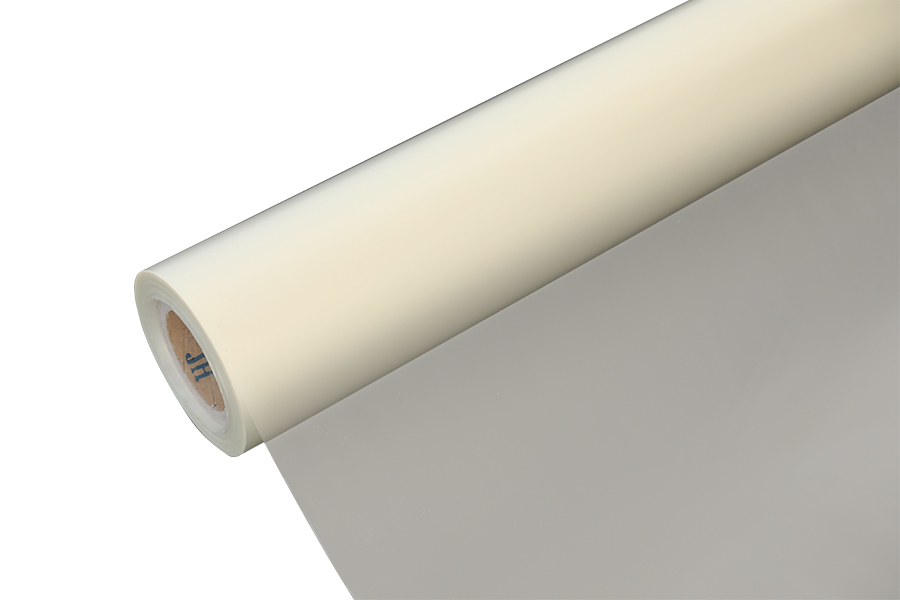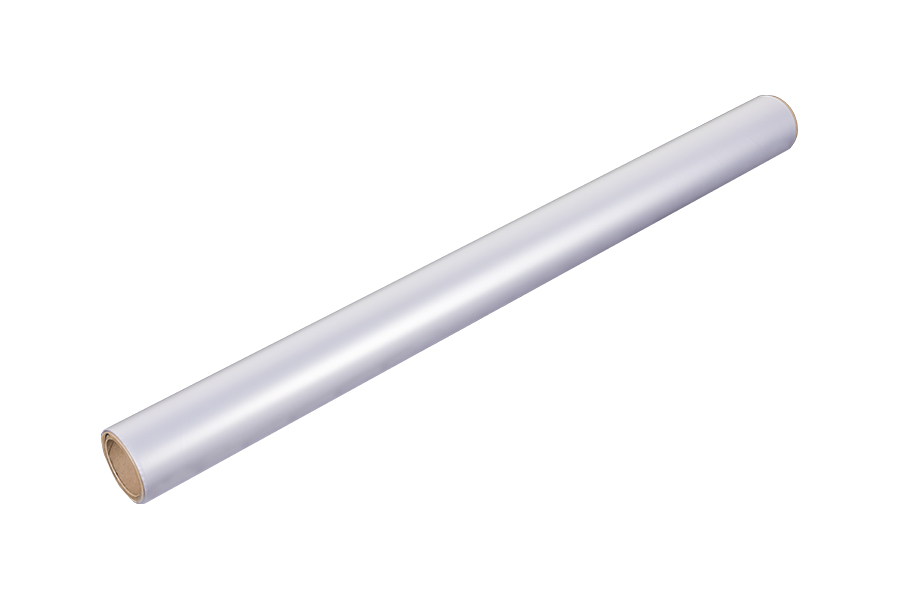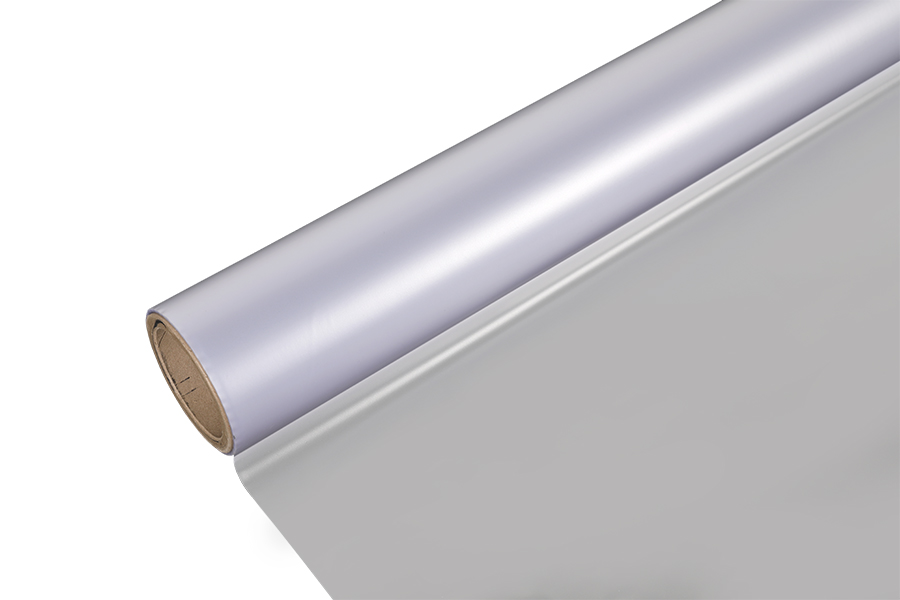
What Semi-Rigid Printing Basement Film Is Used For
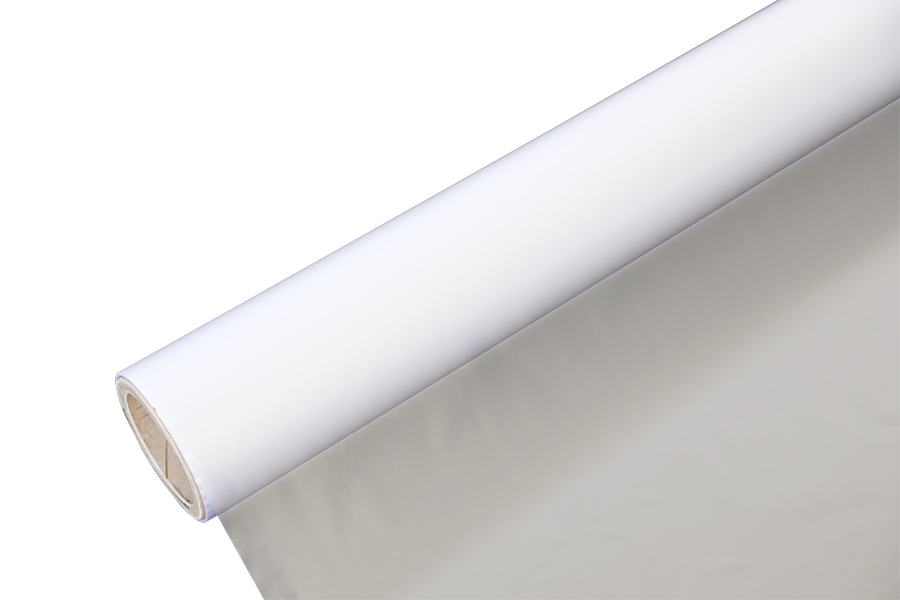
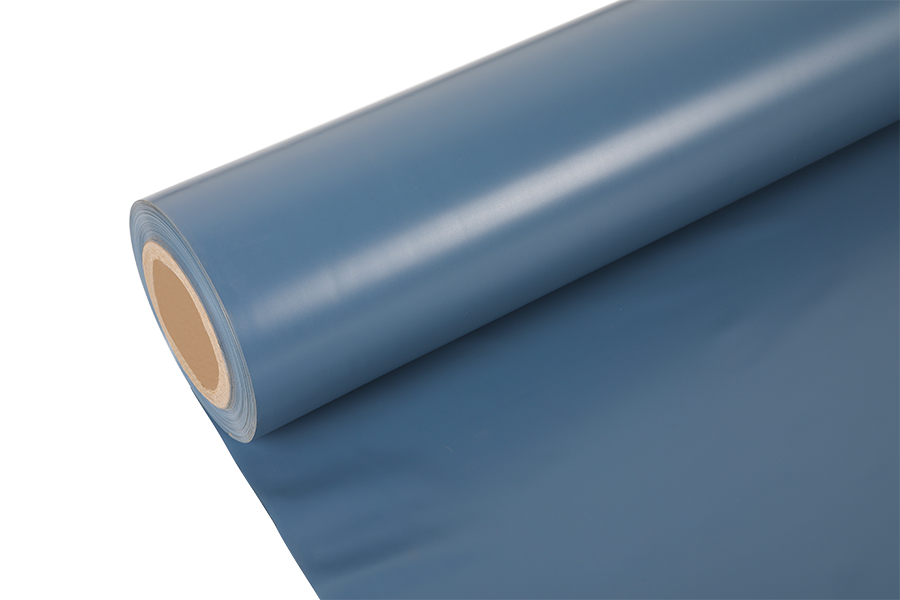
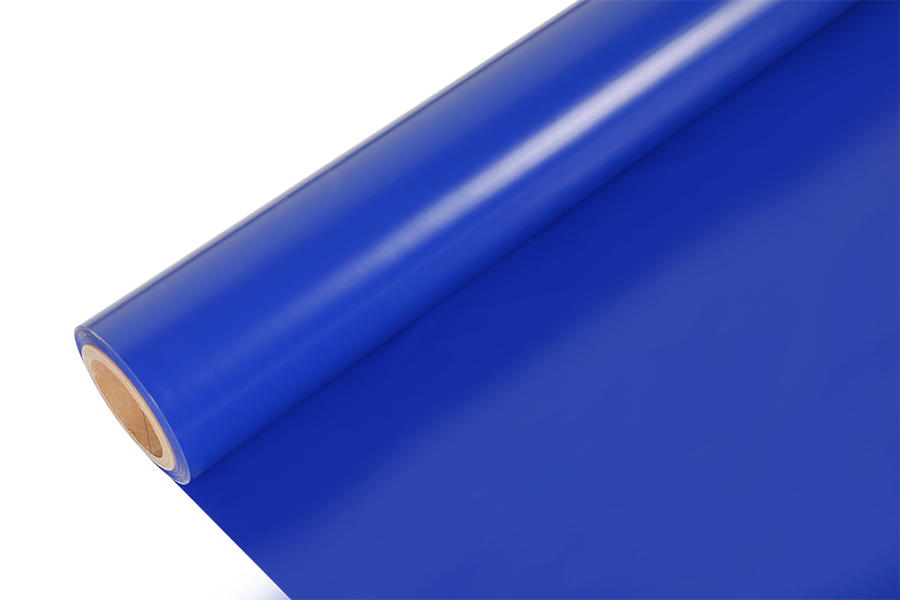
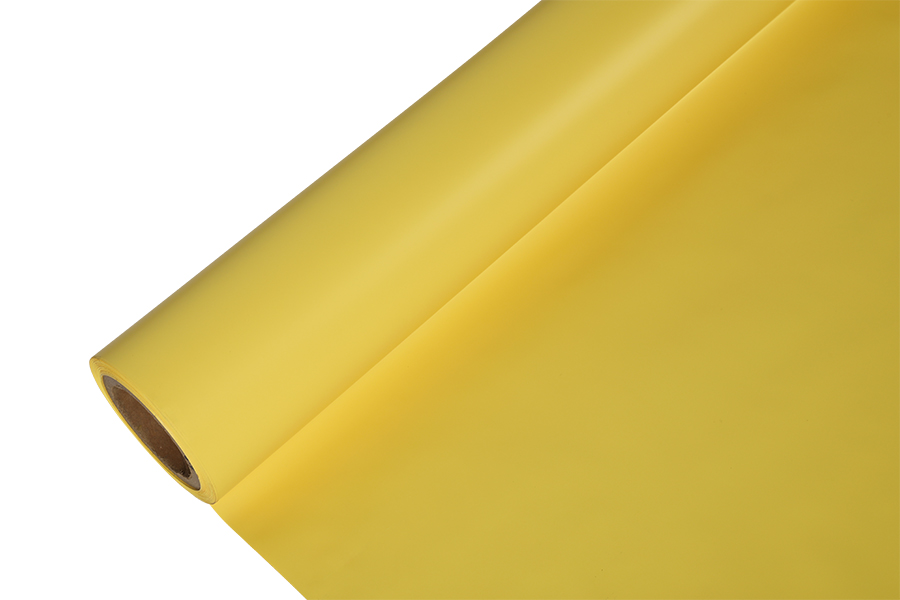
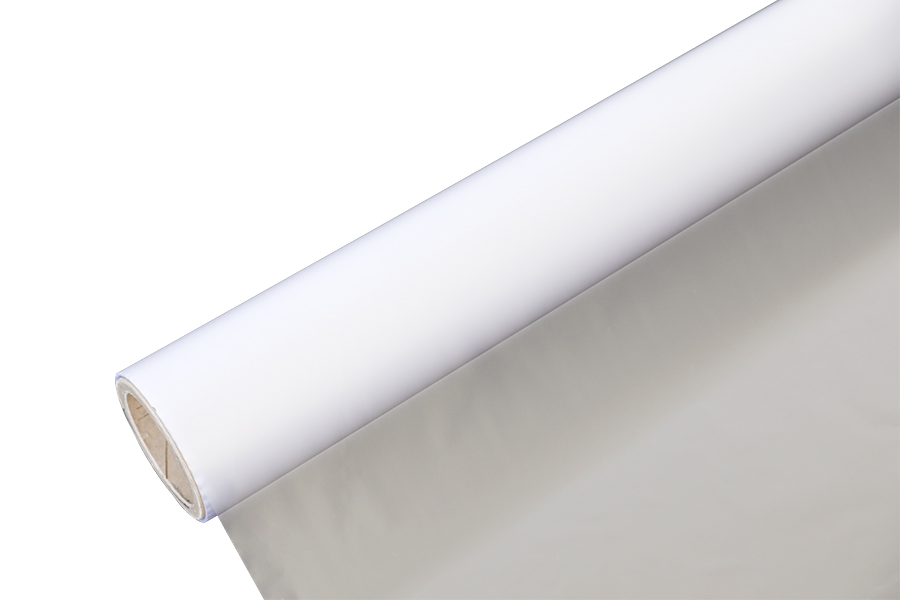
Semi-rigid printing basement film refers to a category of plastic substrate film that sits between flexible packaging film and fully rigid sheet plastic, offering enough stiffness to hold its shape during handling and thermoforming while remaining thin and pliable enough to run through standard printing equipment. This film serves as the base or "basement" layer in multilayer packaging construction, meaning it forms the structural foundation onto which printed graphics, barcodes, and product information are applied before the material is thermoformed into its final packaging shape.
Common applications include blister pack backing cards, clamshell packaging bases, pharmaceutical push-through packaging, and point-of-sale display inserts where the packaging needs to hold a rigid shape on a retail shelf while displaying clear, durable printed graphics. 일반적으로 사용되는 재료에는 PVC, 애완동물 및 폴리프로필렌이 포함되며, 각 재료는 구매자가 특정 포장 요구 사항에 따라 고려해야 하는 선명도, 인쇄성, 내화학성 및 비용의 다양한 조합을 제공합니다.
일반적인 기판 재료 비교
PVC remains one of the most widely used materials for semi-rigid basement film because of its excellent printability, good clarity, and relatively low cost compared to alternatives. It thermoforms well at moderate temperatures and holds crisp printed detail, which makes it a common default choice for consumer packaging where cost control matters and the packaging will not be exposed to harsh chemicals or extreme temperatures. 그러나 PVC는 재활용의 어려움과 특정 지역의 규제 제한으로 인해 일부 시장에서 선호도가 떨어졌으므로 구매자는 대량 구매를 하기 전에 현지 포장 규정을 확인해야 합니다.
애완동물 offers superior clarity, better chemical resistance, and easier recyclability compared to PVC, making it increasingly popular for pharmaceutical and food-adjacent packaging where regulatory compliance and sustainability messaging matter to brand owners. PET does typically cost more per unit and can require slightly different thermoforming temperature profiles than PVC, so equipment calibration matters when switching between the two materials on the same production line.
폴리프로필렌 provides good chemical resistance and a lower moisture absorption rate than either PVC or PET, along with straightforward recyclability, though it generally offers less print clarity and a slightly hazier appearance that some brand owners find less suitable for premium retail packaging where visual presentation matters significantly.
한눈에 보는 재료 비교
| 소재 | 선명도 | 비용 | 가장 적합한 대상 |
| PVC | 좋음 | 낮음 | 일반 소비자 포장 |
| PET | 우수 | 보통에서 높음 | 제약, 프리미엄 소매 |
| 폴리프로필렌 | Moderate | Moderate | 내화학성 애플리케이션 |
Understanding Film Thickness and Rigidity Specifications
Film thickness, typically measured in microns or mils depending on regional convention, directly determines how rigid the final packaging feels and how well it resists bending or crushing during shipping and retail display. 250~350 마이크론 범위의 얇은 필름은 더 큰 유연성과 더 낮은 재료 비용을 제공하지만 더 큰 포장 형식이나 상당한 무게의 제품에는 충분한 강성을 제공하지 못할 수 있습니다. Thicker films from 400 to 600 microns and beyond provide noticeably more structural rigidity, making them better suited to larger blister cards or packaging that needs to support heavier contents without sagging or bending on a display hook.
Buyers should request a specific thickness tolerance range from suppliers rather than accepting a nominal thickness figure alone, since inconsistent thickness across a roll can cause problems during high-speed thermoforming, leading to uneven wall thickness in the finished packaging and potential weak points that fail during shipping or shelf display.
Surface Treatment and Print Adhesion Considerations
Because semi-rigid basement film often needs to accept printed ink directly on its surface, surface treatment plays a critical role in how well printed graphics adhere and resist scuffing during handling. Corona treatment, which alters the surface energy of the plastic film to improve ink adhesion, is standard on most quality basement film intended for direct printing, and buyers should confirm the dyne level of treated film meets the minimum threshold their ink system requires, typically 38 dynes per centimeter or higher for reliable adhesion across common ink chemistries.
일부 공급업체는 고속 플렉소그래픽 또는 오프셋 인쇄 라인에 사용되는 UV 경화 잉크와 같은 특정 잉크 유형에 대한 접착력을 향상시키기 위해 특별히 고안된 추가 코팅층이 포함된 사전 프라이밍된 필름을 제공합니다. UV 잉크 시스템을 사용하는 구매자는 특정 필름 공급업체의 표면 처리와의 호환성을 확인해야 합니다. 일치하지 않는 잉크와 인쇄물 조합으로 인해 접착력이 저하될 수 있으며 이는 인쇄된 제품이 배송된 후에만 뚜렷이 나타나고 운송 중에 잉크가 벗겨지거나 벗겨지는 현상이 나타나기 시작하기 때문입니다.
Print Adhesion Checklist
- 코로나 처리 다인 레벨이 잉크 시스템 요구 사항과 일치하는지 확인하십시오.
- Request adhesion test results specific to your ink chemistry
- Verify treatment stability if film will be stored before printing
- Test a small production run before committing to full-scale printing
Thermoforming Compatibility and Temperature Profiles
인쇄된 지하 필름은 일반적으로 인쇄 후 최종 포장 형태로 열성형되기 때문에 필름은 인쇄된 그래픽을 왜곡하거나 구조적 무결성을 잃지 않고 성형 온도를 견뎌야 합니다. 각 재료마다 고유한 성형 온도 범위가 있으며, 권장 범위를 벗어나는 필름을 실행하면 불완전한 성형 및 주름부터 인쇄된 잉크의 실제 그을림 또는 변색에 이르는 문제가 발생할 수 있습니다.
생산 팀은 필름 공급업체와 긴밀히 협력하여 사용되는 특정 필름 등급에 권장되는 성형 온도 범위를 확인해야 하며, 전체 생산 실행을 시작하기 전에 새로운 재료 배치에 대해 시험 형태를 실행해야 합니다. 왜냐하면 동일한 일반 재료 카테고리의 필름이라도 특정 공급업체가 사용하는 특정 수지 배합 및 제조 공정에 따라 성형 특성이 약간 다를 수 있기 때문입니다.
일반적인 성형 온도 범위
| 소재 | Typical Forming Range |
| PVC | 120°C to 150°C |
| PET | 140°C ~ 170°C |
| 폴리프로필렌 | 150°C to 175°C |
Storage and Handling Practices That Preserve Film Quality
Semi-rigid basement film should be stored flat or properly supported on its original core in a climate-controlled environment away from direct sunlight and significant humidity fluctuation, since both temperature swings and moisture absorption can affect dimensional stability and printing performance. 특히 PET는 열성형 전 수분 흡수에 민감하며, 과도한 주변 수분을 흡수한 필름은 사전에 적절하게 건조하지 않으면 성형 공정 중에 눈에 띄는 표면 결함이 발생할 수 있습니다.
롤은 선입선출 방식으로 회전하여 시간이 지남에 따라 코로나 처리 효과를 저하시킬 수 있는 연장된 보관 기간을 피해야 합니다. 왜냐하면 코로나 처리로 인한 표면 에너지 향상은 보관 중에, 특히 따뜻한 조건에서 점차 감소하기 때문입니다. 대부분의 공급업체는 안정적인 인쇄 접착력을 보장하기 위해 정의된 기간(보통 3~6개월) 내에 처리된 필름을 사용할 것을 권장하며, 생산량이 적은 구매자는 처리된 필름을 권장보다 오래 보관하지 않도록 이 유통기한을 주문 수량에 고려해야 합니다.
Working with Suppliers to Match Film to Your Application
올바른 반강성 인쇄 기반 필름을 선택하려면 궁극적으로 인쇄 방법 및 잉크 화학부터 열성형 장비 및 최종 포장 사용 사례에 이르기까지 재료가 통과하게 될 전체 생산 체인에 대해 공급업체와 명확한 의사소통이 필요합니다. 대량 주문을 하기 전에 실제 샘플을 요청하고 실제 생산 장비를 통해 시험 배치를 실행해 보십시오. 데이터시트의 사양이 항상 특정 라인 구성의 실제 성능으로 완벽하게 해석되는 것은 아니기 때문입니다.
또한 구매자는 특히 두께 공차 및 표면 처리 수준과 관련된 배치 간 일관성 보장에 대해 공급업체에 직접 문의해야 합니다. 생산 로트 간의 변동성은 초기 테스트부터 전체 생산량까지 확장되는 포장 작업에서 예상치 못한 품질 문제를 일으키는 가장 일반적인 원인 중 하나이기 때문입니다. 기본 필름을 교체 가능한 상품으로 취급하는 대신 귀하의 특정 응용 분야를 이해하는 공급업체와 강력한 협력 관계를 구축하면 일반적으로 생산상의 놀라움이 줄어들고 시간이 지남에 따라 완성된 포장 품질이 더욱 일관됩니다.